What Are Hypopressives?
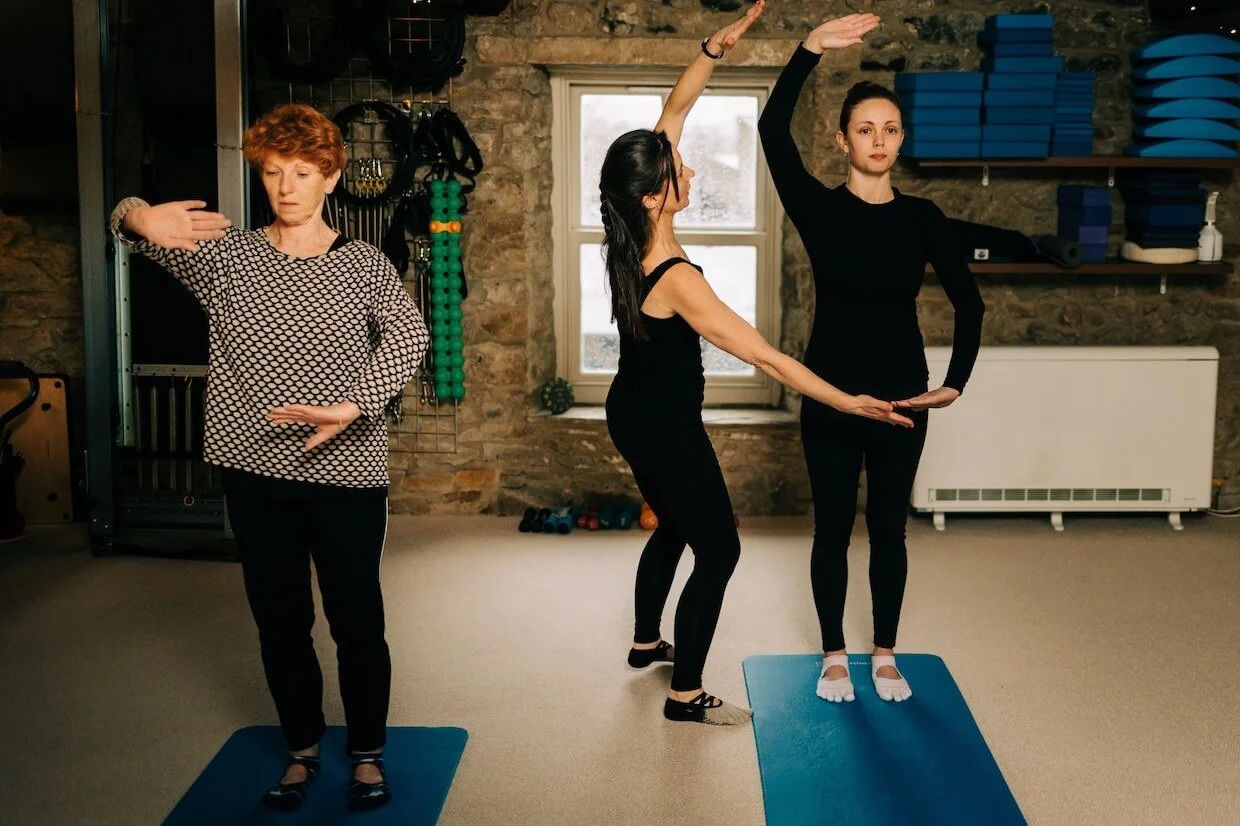
Hypopressives brings together breathing, posture, and gentle muscle work to help your pelvic floor and diaphragm work in harmony.
It teaches your body's natural muscle rhythms to coordinate better, melts away tension, builds strength through your back and core, and supports your overall pelvic floor health.
If you've been searching for a gentle yet effective way to strengthen your core and pelvic floor, you may have come across hypopressives. This increasingly popular exercise technique is changing the game for women's postpartum recovery, pelvic floor health, and core rehabilitation. But what exactly are hypopressives, and could they be the answer you've been looking for?
What Are Hypopressive Exercises?
Hypopressives, also known as Low Pressure Fitness, are a series of gentle postures combined with a specific breathing technique. The goal? To reduce intra-abdominal pressure. The name "hypopressive" simply means "decrease or reduction in pressure," which is what makes these exercises so different from traditional core work.
Created in 1980 by Belgian physiotherapist Dr. Marcel Caufriez, hypopressives were originally developed to help new mothers recover from pelvic floor challenges without the damaging effects of conventional sit-ups and crunches. Dr. Caufriez discovered something important: traditional abdominal exercises actually increased pressure downward on the pelvic floor, potentially making problems worse rather than better.
How Hypopressives Work: The Science Behind the Technique
What makes hypopressives so special is the unique breathing technique at their core. It involves holding your breath after exhaling while expanding your rib cage and drawing your belly inward. Here's what happens in your body during a hypopressive exercise:
You breathe out completely, emptying your lungs
While holding your breath, you expand your rib cage as if breathing in (but you're not actually inhaling)
This creates a gentle "vacuum effect" that lifts everything upward and inward
Your deep core muscles—including your pelvic floor—activate automatically in response
The beautiful thing about hypopressives is that they work at a subconscious level, retraining your core muscles to function naturally throughout your day, not just when you're exercising. Your body learns to support itself automatically, whether you're running for the bus or lifting your child.
The Benefits: More Than Just a Flat Stomach
While hypopressives have become popular for creating a toned midsection and reducing waist measurements, the real magic happens deeper. Research shows that hypopressive exercises significantly reduce pelvic floor symptoms, improve quality of life, and strengthen pelvic floor muscles PubMed Central in ways that last.
Supporting Your Pelvic Floor
Hypopressives are wonderful for addressing pelvic floor concerns like urinary leakage, pelvic organ prolapse, and postpartum weakness. The vacuum effect creates upward pressure instead of pushing downward, which protects your abdominal wall and gently lifts your internal organs. Methodptnm This makes hypopressives particularly helpful if you're dealing with prolapse symptoms.
Postpartum Recovery
For new mums, hypopressives offer a safe and nurturing way to rebuild strength. They help with diastasis recti (when your abdominal muscles separate), restore pelvic floor function after birth, and strengthen your core without risking further strain. Most women can start hypopressives after the six-week mark for vaginal births, or three months after a caesarean, Re-centre though it's always best to check with your healthcare provider first.
Core Strength and Better Posture
By waking up the deep stabilizing muscles in your body, hypopressives improve your posture, create genuine core stability, and often reduce lower back pain. The technique strengthens layers of muscles you can't consciously activate through traditional exercises, building a strong foundation for all your movements.
If you're interested in building comprehensive core strength, you might also want to explore our Reformer Pilates classes, which complement hypopressives beautifully for full-body conditioning.
Additional Benefits
Beyond the core and pelvic floor improvements, many women notice better breathing, less bloating, improved circulation, and enhanced performance in other activities. Some women also find hypopressives helpful during perimenopause and menopause for managing the changes that come with shifting hormones.
Ready to start your postpartum recovery journey?
Explore our hypopressives classes designed specifically for your needs, whether you're new to Pilates or looking to deepen your practice.
Hypopressives vs. Traditional Core Exercises: Understanding the Difference
The key difference comes down to pressure. Traditional abdominal exercises like crunches, sit-ups, and even some plank variations are "hyperpressive"—they increase pressure in your abdomen, which pushes downward on your pelvic floor. Studies have shown that six weeks of traditional abdominal exercises led to a 32.7% decrease in pelvic floor tone, potentially making pelvic floor issues worse rather than better.
Hypopressives do the opposite. They create a lifting effect that supports your internal organs while gently activating your core and pelvic floor muscles. This makes them ideal if you're dealing with pelvic floor concerns, hernias, or any condition where you need to avoid bearing down.
How to Practice Hypopressives
Learning hypopressives properly is essential for effectiveness and safety. The exercises can be performed in various positions including lying down, sitting, standing, or on all fours. Here's a basic overview:
Master the posture: Start in your chosen position with proper alignment—elongated spine, shoulders relaxed
Breathe in normally: Take a regular breath
Exhale completely: Empty your lungs fully
Create the vacuum: Hold your breath while expanding your rib cage outward and drawing your belly inward and upward
Hold: Maintain this position for 10-20 seconds without breathing
Release and breathe: Relax and return to normal breathing
For best results, practice for 10 minutes five times per week initially.
Important: While this overview is helpful, hypopressives are easy to learn but also easy to get wrong. The breathing pattern and postural alignment need to be precise for the technique to work effectively and safely.
Who Should Practice Hypopressives (and Who Shouldn't)
Hypopressives can help many people, especially women experiencing pelvic floor challenges, those recovering from pregnancy and childbirth, anyone with diastasis recti, people wanting to strengthen their core safely, and those dealing with lower back discomfort or posture issues.
However, there are times when you'll need to be cautious or avoid hypopressives:
During pregnancy (particularly in the first trimester)
If you have high blood pressure or heart conditions
During active inflammation or infection
If you have a hiatal hernia, as the vacuum effect might make symptoms worse
Right after eating (wait at least an hour)
It's always wise to chat with your GP or a qualified physiotherapist before starting any new exercise practice, especially if you have health concerns.
The Evidence: What Research Shows
A randomised controlled trial found no significant differences between pelvic floor muscle training, hypopressive exercises, and a combination of both, suggesting that hypopressives are equally effective as traditional pelvic floor exercises. This is encouraging news for women who struggle with conventional Kegel exercises or prefer a more holistic approach to pelvic health.
While research continues to evolve, current evidence supports hypopressives as an effective, safe option for improving pelvic floor function, reducing symptoms of dysfunction, and enhancing core strength.
Taking the Next Step in Your Pelvic Health Journey
Hypopressives represent a gentle, evidence-based approach to core and pelvic floor health that respects your body's natural mechanics. Whether you're recovering from childbirth, managing pelvic floor dysfunction, or simply seeking a more effective way to strengthen your core, hypopressives could be transformative.
Working with a qualified instructor ensures you master the breathing pattern and postural elements correctly, maximising benefits while maintaining safety. At Rachel Luxon Pilates, our hypopressives classes are taught using the Body Control Pilates method, combining expert guidance with a supportive, nurturing environment.
Ready to Experience the Benefits?
Whether you're new to movement practices or an experienced exerciser, our classes are designed to meet you where you are. Explore our full class timetable to find the perfect session for your schedule and goals.
Book your first class today and discover how hypopressives can support your health and wellness journey. Reserve your space now or get in touch to discuss which class would be right for you.
Looking to build on your practice? Discover our Beginners Pilates and Intermediate Pilates classes, or explore our specialised offerings including HIP Pilates for hip health and Pilates for Life for maintaining independent movement as you age.